

Touring Mexico in a Caravan
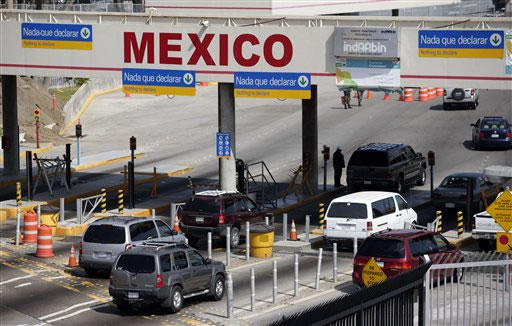
At the US-Mexico Border
There is plenty of fun and adventure travelling in a group to Mexico, and, in fact, in many other places of the world. Whenever tourists from Canada and the US cross the border to tour Mexico, they get excited to experience the real Mexican life as portrayed by the local people they relate to. But it is even more interesting when travelling in a caravan. People seem to unwind better and make the best of bad situations, when they are many.
For example, they can afford to play down mishaps on the road that would otherwise make an individual panic. There are times, for instance, that you find heaps of stone piled in the middle of the highway. Ridiculous as it may sound, this is usually a sign that a car has broken down ahead; the stones being piled there to do the work of reflectors.
How to join a caravan to Mexico
It is easy to join a caravan if you want to travel as part of a group to Mexico. There are actually companies that specialize in organizing caravans. One option is for you to check online and once you get a company, locate its offices and then visit and make enquiries. Whatever the official word, it would be best to ask the company to give you contacts of people who have used the company services before. Travelers who have toured with the company before can be good references and will give you information that is relatively objective.
What to Expect In a Caravan
First timers might have reservations about travelling in a caravan, but it is good to have reliable information before deciding on the mode of transport to take. Of course, there are always choices of renting a car, driving your own car, or even, for the extra adventurous, riding a motor bike to Mexico.
One condition all these modes of transport must fulfill is adequate insurance from a Mexican company. Owing to the realities of life, Mexico recently reviewed its laws relating to compensation of injured persons, and, now, every auto mobile has to be insured for third party liability to the tune of $300,000. In fact, that figure happens to be the minimum cover; otherwise liability can go up to $500,000.
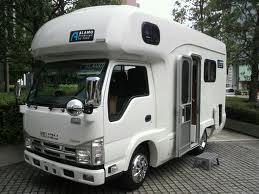
RV in parking
Here are the actual peculiarities of a caravan:
- Expect a number of (Recreational Vehicles) RVs to make the caravan.
- Expect around 20 rigs in the tour
- A caravan leader who drives his own RV
- A mechanic who drives in an RV that serves as the caboose or tail-gunner.
Unique costs:
a) Campground charges
Since you will all be using other peoples’ areas to camp while on tour, it is natural that the caravan should pay for the fees charged for use of such grounds.
b) Meals and groceries
The only thing you get free of charge in a caravan is company. Otherwise you will pay for the meals that you eat even when the meals are communally shared.
c) Fuel charges
The money for the fuel throughout the tour is paid by the travelers that are on tour.
d) Maintenance costs
Be prepared to foot your share of vehicle maintenance costs as they are incurred.
It is your responsibility to ensure you are travelling in vehicles that are duly insured. Every vehicle should have third party liability cover under Mexican car insurance. Nobody can hide behind US insurance cover even when the caravan is coming from the US, because the requirement of a Mexican laws legally binds every driver in Mexico to have a Mexican insurance policy. If you have not yet purchased your Mexican insurance policy, you can easily it online from this link.
Advantages of travelling in a caravan
i. There is less anxiety when people are many on the road as opposed to when one is travelling alone.
ii. Security is higher in a caravan because petty criminals are unlikely to scare people in a group.
iii. The headache of planning the trip is on someone else – the company offering caravan services
iv. It is fun and a memorable experience travelling with different kinds of people, most, if not all, being new to you.